War as a great game in 1915

wpff5d7645_1b

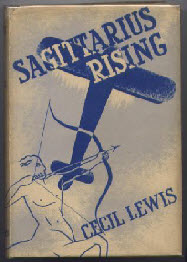
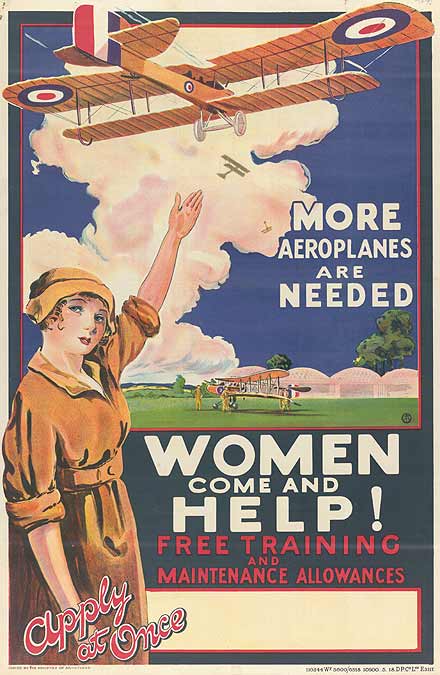
‘I stood with Maynard Greville on the stone terrace outside the School House studies at Oundle in the spring of 1915.

‘I vote we chuck all this at the end of term and join up,’ said he.

‘Wouldn’t it be fine – but they won’t let us.’

‘Why not? We’re almost seventeen.’

‘But old King says you can’t get a commission in anything until you’re eighteen.’

‘Rot. What about the Flying Corps? They’ll take you at seventeen. They want young chaps.’

‘Shall we speak to Beans?’

‘No. He might stop us. I vote we write to the War Office and see what happens.’

‘All right! Oh, Maynard, wouldn’t it be ripping!’

Cecil Lewis, Sagittarius Rising

Posted in Soldiers of the Great War, World War I memoirs | Tagged , , , , , , | Leave a comment

Belgium’s Fort de Loncin recalls devastation of 1914

Image

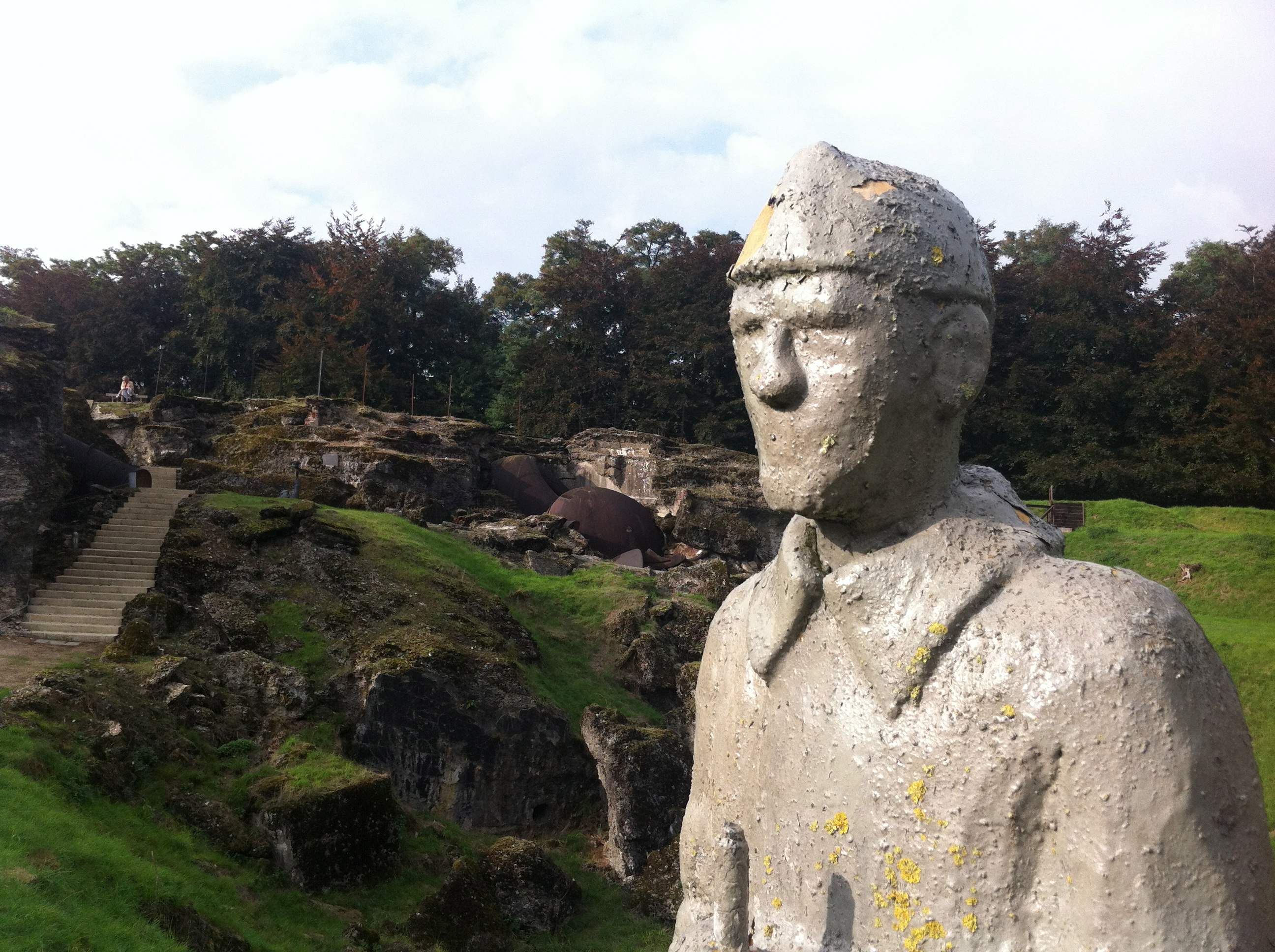
One of the major focuses of Belgium’s commemorations to mark the Centenary of the outbreak of World War I will be the Fort de Loncin.

The fortress, one of 12 that formed a defensive semi-circle around the city of Liege, was the scene of terrible loss of life on 15 August 1914, when a shell from a German Big Bertha artillery piece exploded inside its magazine.

Loncin had been under siege for several days, had been hit by thousands of artillery shells and the majority of its garrison had assembled in the main chamber, positioned just above the ammunition store.

They had gathered here partly because the air in much of the rest of the fort had become unbreathable and partly because they were expecting an imminent German infantry attack and were in readiness to rush outside to take up defensive positions.

Around 300 of them were killed in the blast and around 200 of those still lie buried under wreckage and rubble at the fort to this day.
IMG_2982

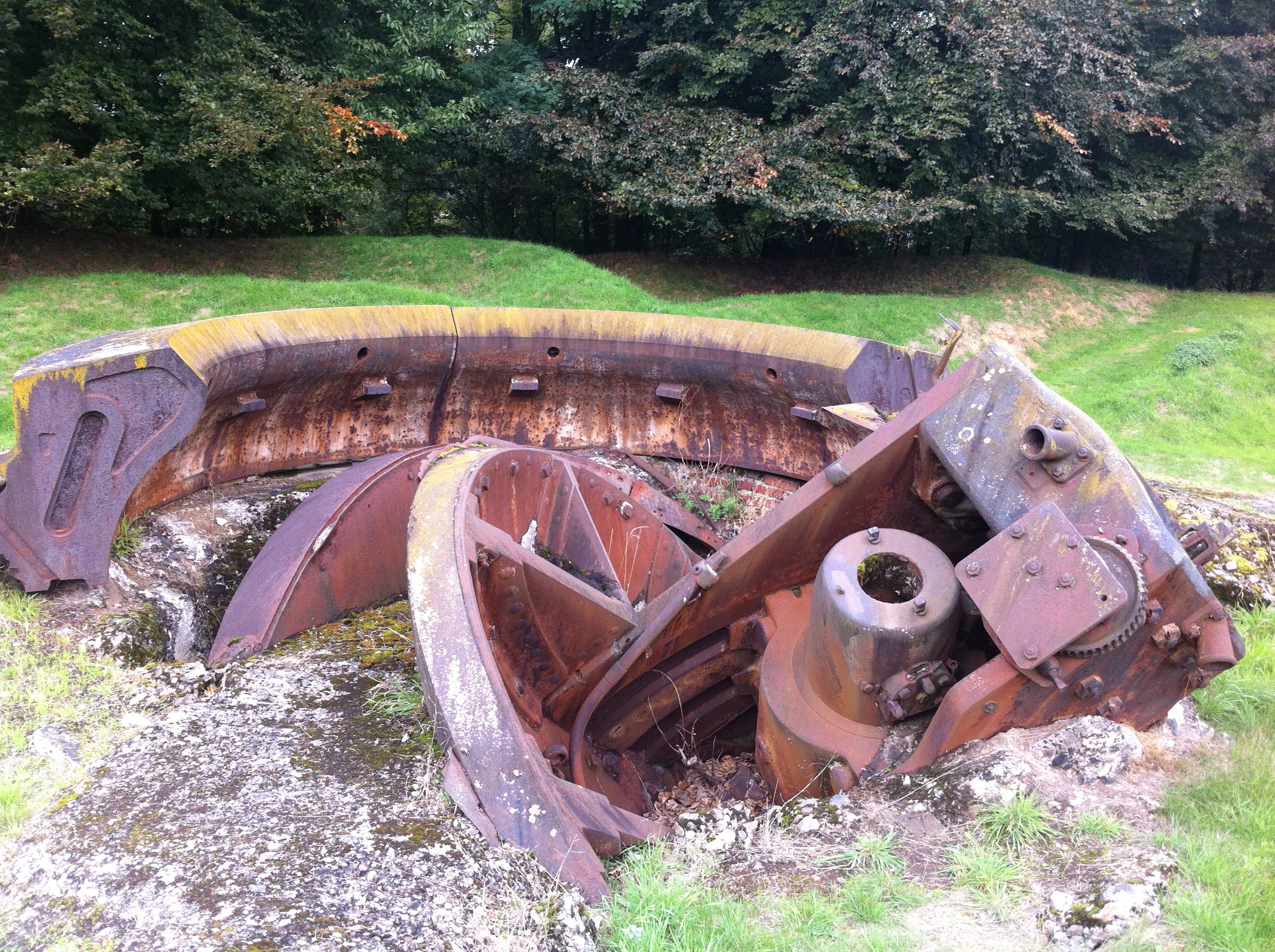
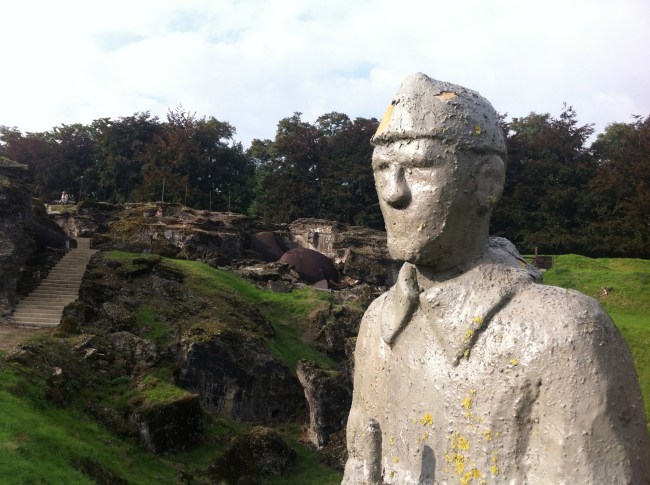
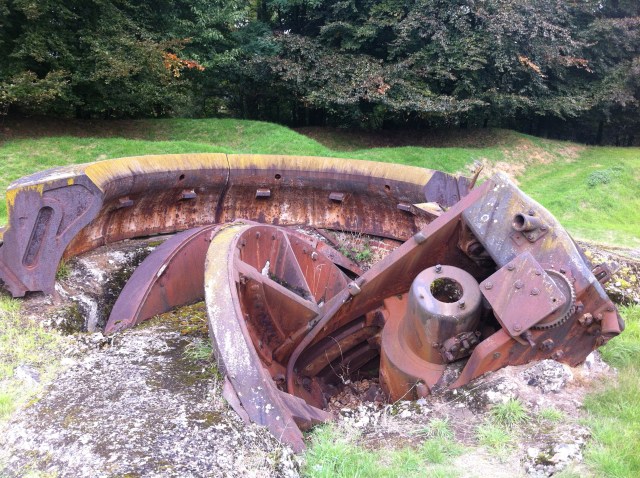
The fortress is open to the public and is a sombre, moving place. Some parts of it, including soldiers’ accommodation, bakery and shower rooms remain much as they would have been in 1914. Elsewhere the devastation is dreadful, with huge lumps of smashed concrete and gun turrets that were ripped from their moorings by the force of the explosion.

A small museum tells the story of the building of the fort – fatally, in non-reinforced concrete – in the late 19th-century. It also has displays focused on the garrison of artillery and infantrymen and how the process of identifying casualties continues to this day.

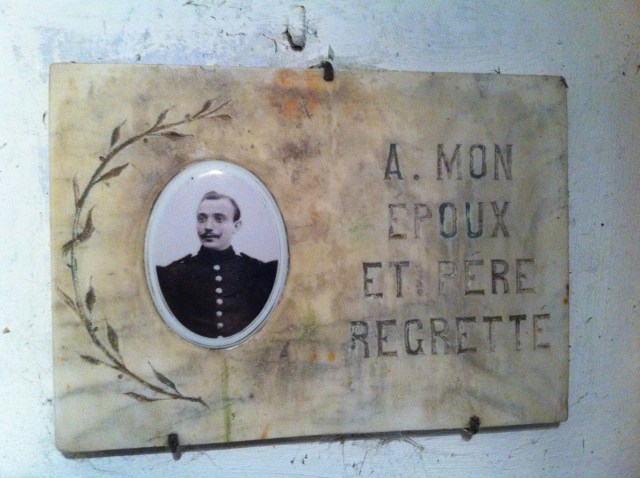
Most poignant of all is a small selection of personal items recovered from the wreckage over the years. Some of these, such as a gold wedding ring and a Browning pistol, have proved crucial in the identification of a missing man.

Every year on August 15 at 5.25pm – the time the fort was destroyed – its last surviving gun fires a salute and a flame is lit at the monument to those who remain buried on the site.

To find out more about visiting the fort, click here.
IMG_2985

Posted in News | Tagged , , , , , , , , , | Leave a comment

British prisoners at Arras, May 1917

Image

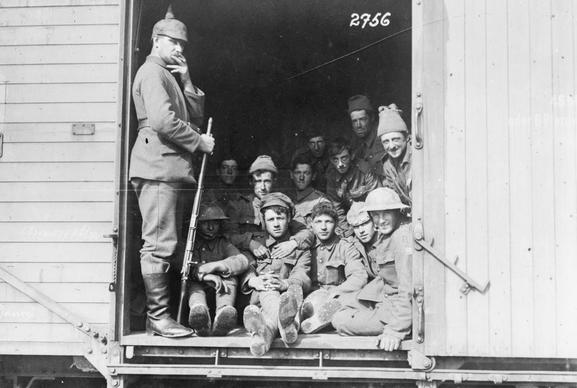
A interesting photograph from the Imperial War Museum’s collection showing British prisoners being transported to camps in Germany after the Battle of Arras in May 1917.

The prisoners’ expressions range from relief, to hostility, to worry. The German guard smokes a cigarette and wears the obsolete leather helmet of 1914 vintage.

Posted in Events | Tagged , , , , , | Leave a comment

Memorial to Christmas Truce footballers

Image

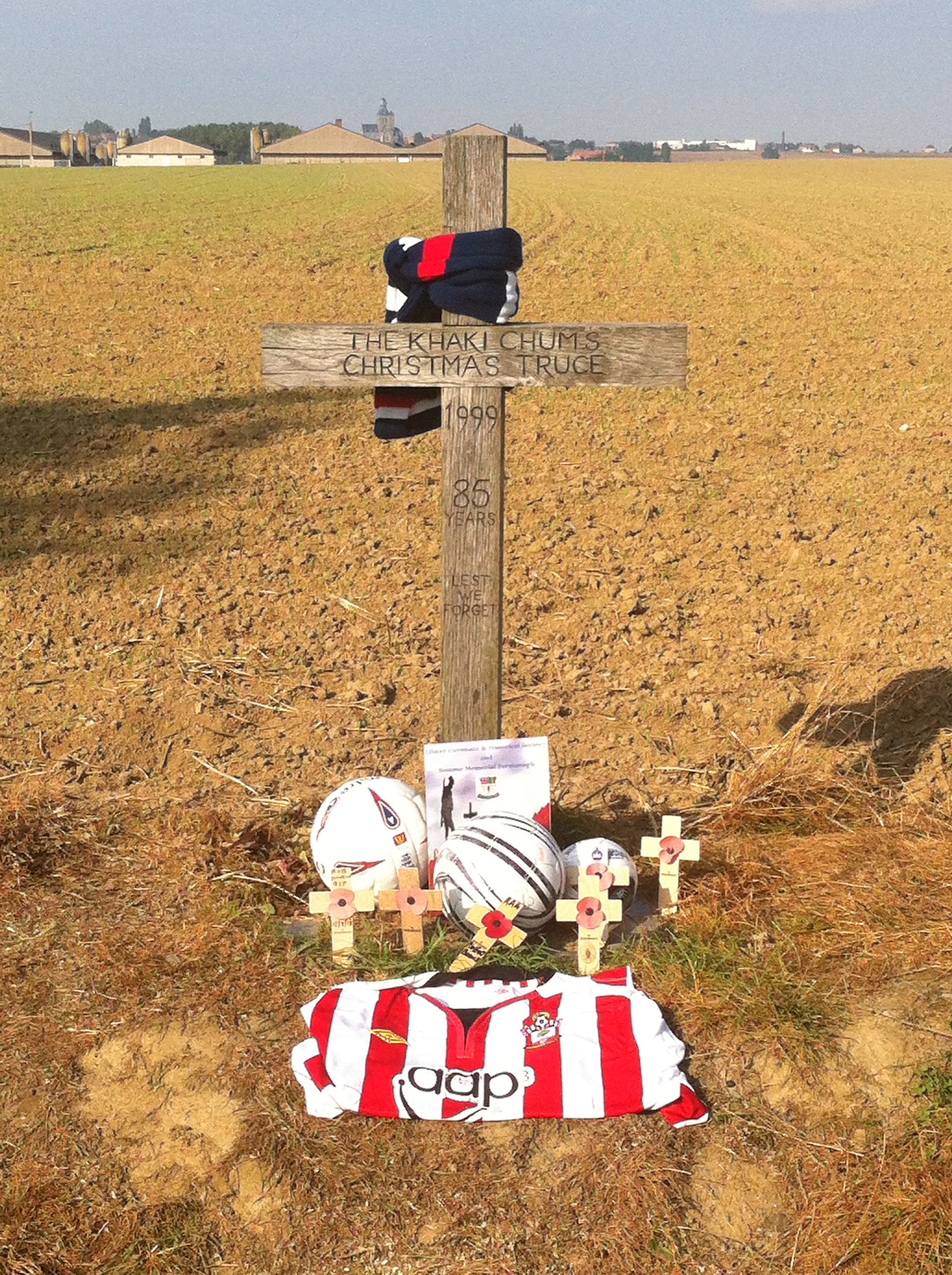
In December 1914 the field behind the cross contained a crop of turnips, but that didn’t stop men of the German and British armies playing football between their front lines.

The author Henry Williamson, who served with the London Rifle Brigade, was nearby and he describes how the truce began.

‘From the German parapet a rich baritone voice had begun to sing a song I remembered from my nurse Minne singing it to me after my evening tubbefore bed. She had been maid to my German grandmother, one of the Lune family of Hildesheim.

‘Stille Nacht! Heilige Nacht! Tranquil Night! Holy Night! The grave and tender voice rose out of the frozen mist; it was all so strange; it was like being in another world, to which one had come through a nightmare: a world finer than the one I had left behind in England, except for beautiful things like music, and springtime on my bicycle in the country of Kent and Bedfordshire.’


Posted in News, Soldiers of the Great War, World War I memoirs | Tagged , , , , | 2 Comments

France considers pardons for World War I deserters

Image

A report requested by France’s Ministry of Veteran Affairs recommends that French soldiers who were executed by their own side during World War I should have their records reassessed.

France 24 reports that a document delivered to France’s Ministry of Veteran Affairs on Tuesday has suggested the country officially review the history of World War I soldiers who refused to fight and were executed as an example for other troops.

‘There is a large consensus in our society that the majority of them were not cowards, but decent soldiers, who performed their duties and did not deserve to die,’ the report read.

Between 600 and 650 French soldiers were executed by their own side after disobeying orders from commanding officers, while around 100 others were put to death for espionage and other crimes.

The report recommended a ‘formal declaration’ by the state with perhaps a subsequent educational programme to clear the soldiers’ names.

‘To declare that these soldiers also, in a certain way, “died protecting France”, would serve as a sort of moral and civic pardon,’ the report concluded.

Posted in News | Tagged , , , , | Leave a comment

Jeremy Paxman slams David Cameron’s Centenary comments

Image

Broadcaster Jeremy Paxman has criticised UK prime minister David Cameron for comments he made about how Britain will mark the centenary of the World War I.

Cameron promised a ‘truly national commemoration’ to mark the Centenary of the outbreak of war in 1914, Armistice Day in 1918, and of major battles.

Speaking last year at the Imperial War Museum, Cameron said that he wanted to see ‘a commemoration that, like the diamond jubilee celebrations this year, says something about who we are as a people. Remembrance must be the hallmark of our commemorations.’

Paxman told the Radio Times: ‘In announcing plans for events to mark the Centenary, our prime minister promised that the first world war commemoration would be “like the diamond jubilee celebrations”.

‘What on earth was he talking about? His address also included the cloth-eared ambition to spend lots of public money to make the Imperial War Museum ‘even more incredible’. The whole point of the place is its awful credibility.

‘The commemorations should have almost nothing in common with the diamond jubilee, which was an excuse for a knees-up in the rain to celebrate the happy fact that our national identity is expressed through a family rather than some politician who wants the job to gratify his vanity.

‘Personally, I think Elizabeth has played a blinder as queen. But her dull and dutiful grandfather, George V, recognised that the person who should be commemorated at the end of the first world war wasn’t him, but the Unknown Soldier.’

Posted in News | Tagged , , , , , , , , | Leave a comment

Royal Fusiliers badge at Ploegsteert

Image


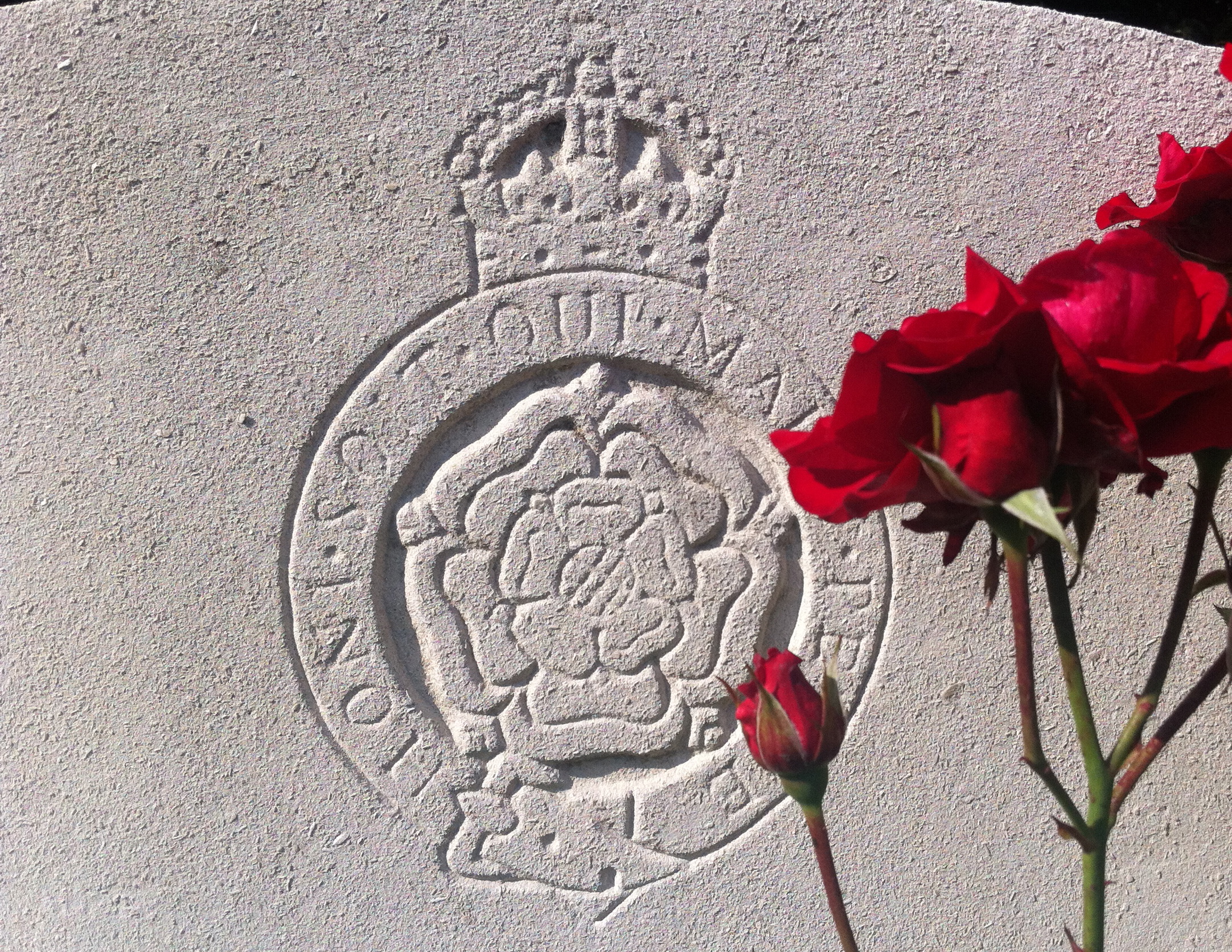
The Royal Fusiliers’ badge on a headstone at the CWGC cemetery at Ploegsteert, Belgium.

In 1915 and 1916 this was deemed a relatively quiet area, but there are still more than 11,000 names on the memorial to the missing here.

Posted in Events | Tagged , , , , , | Leave a comment

Women’s drinking caused outcry during World War I

Image

While the men of Britain were marching off to the front line and an uncertain future, some of the country’s women were hitting the bottle.

The Daily Mirror reports that women’s drinking was deemed to be shocking that the very moral fabric of the country was seen to be under threat.

Researchers from family history website Genes Reunited discovered that newspapers of the day were appalled at the prospect of women nipping off to the pub.

In 1915, the Manchester Evening News reported that a magistrate, Mr Theophilus Simpson, was shocked to count ‘26 women enter a licensed house in ten minutes, with 16 coming out who he had not seen enter.’

He added: ‘Some people said women have a right to spend their money as they liked; they might as well say that they had a right to sell themselves if they like.’

In 1916 the Liverpool Echo reported that a Captain Oversby said: ‘In the opinion of the committee, the great increase in the number of women visiting public-houses during the past year has demanded drastic treatment.’

Rhoda Breakell, head of Genes Reunited, said: ‘Despite the negative press, women continued to enjoy themselves in the pubs.’

For the original Daily Mirror story, click here.

Posted in Events | Tagged , , , , , , , | Leave a comment

World War I baby boomers trigger UK over-90s rise

Image

World War continues to have an impact on the British population, almost 100 years after it ended.

Over the past two years official population figures have shown a rise in the number of people over the age of 90. This is linked to the spike in births immediately following the 1914-1918 war.

The Daily Telegraph reports that, according to the latest population estimates from the Office for National Statistics, the number of people over 90 across the UK has passed half a million for the first time. Over 90s are now by far the fastest growing section of the British population apart from centenarians

The number of people over 90 has increased by a third in a decade, but by 14 per cent in the last two years alone – something demographics experts said could be directly attributed to the aftermath World War I.

Britain experienced a sudden spike in the birth rate after millions of soldiers returned from the front and married their sweethearts.

The number of births in England and Wales duly rose by 45 per cent between 1918 and 1920.

Such a pattern can still be seen. There were 38 per cent more 92-year-olds in England and Wales in 2012 than there were two years earlier, reflecting the difference in the numbers of people born in 1920 and 1918.

To read the original story, click here.

Posted in Events | Tagged , , , , , | Leave a comment

Egypt-born VC winner to receive Manchester commemoration

Image

Sergeant Issy Smith, an Egypt-born Victoria Cross winner, will be commemorated in his adopted home city of Manchester, following a campaign by the Association of Jewish Ex-Servicemen and Women (Ajex).

The government plans to commemorate all the British-born VC winners with special paving stones, but Smith was left off the initial list because of his birthplace.

Jacques Weisser, chief executive of Ajex, said: ‘This morning we received a letter on behalf of Eric Pickles [Secretary of State for Communities and Local Government], saying that Sgt Smith will have a paving stone. We are delighted that they have taken our request seriously and responded to us.’

Born Ishroulch Shmeilowitz in Alexandria in 1890, Smith joined the Manchester Regiment in 1904 and was then recalled, as a reservist, in 1914. On 26 August 1915, while serving as a corporal with the Manchesters, Smith recovered a number of wounded soldiers while under fire.

His VC citation reads: ‘He left his Company on his own initiative and went well forward towards the enemy’s position to assist a severely wounded man, whom he carried a distance of 250 yards into safety, whilst exposed the whole time to heavy machine-gun and rifle fire.

‘Subsequently Corporal Smith displayed great gallantry, when the casualties were very heavy, in voluntarily assisting to bring in many more wounded men throughout the day, and attending to them with the greatest devotion to duty regardless of personal risk.’

Smith lived in Melbourne, Australia, after the war.

Posted in Events | Tagged , , , , , , , , , | 3 Comments