The grave of a Royal Navy sailor who served at the Battle of Jutland has been identified in an Isle of Wight Cemetery.
Able Seaman William George Tucker was born in 1882 in Bermondsey, south London, but moved to East Cowes with his family when he was a child.
He joined the Royal Navy aged 16 in 1898 and served in the Boer War and the Boxer Rebellion. He would later train both as a naval gunner and a torpedo specialist.
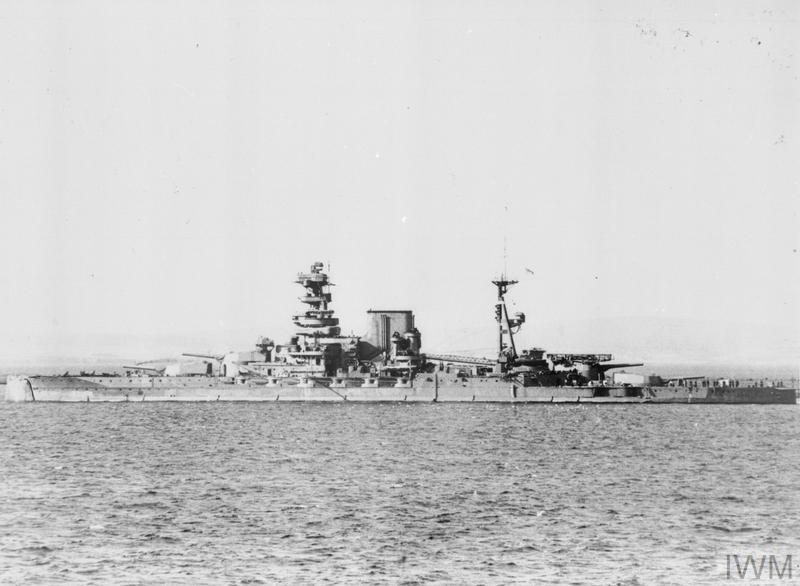
In 1915, Able Seaman Tucker was posted to the battleship HMS Barham and was severely wounded during the Battle of Jutland, off the coast of Denmark, in 1916.
At the time, HMS Barham was one of the most modern ships in the Royal Navy. She would go on to serve in the Second World War and was involved in numerous actions in the Mediterranean before being torpedoed and sunk in November 1941 with the loss of 862 lives.
HMS Barham was heavily involved in the battle of Jutland, firing 362 shells and receiving six hits from the German guns. One of these destroyed the ship’s sickbay, killing all the patients and medical staff who were there, including eight ship’s boys. In all, 26 of her crew were killed and 46 wounded.
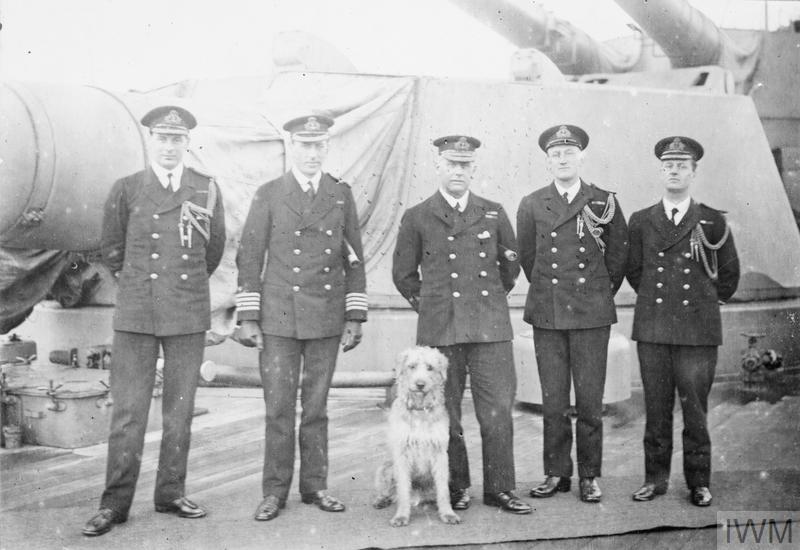
One of the ship’s officers, Lieutenant Commander Stephen Tillard, would later recall: “I saw all four rounds of the salvo which hit Barham in mid-air as they came. One hit penetrated the deck six feet from where I stood.
“It went on to explode below without doing much harm. Another hit below the water line and blew a hole in the opposite side of the ship, causing jagged edges which may have slowed us up. It wiped out a torpedo detachment.”
This may well have been where Able Seaman’s Tucker, a qualified torpedo man, was wounded. His injuries included a compound fracture of the right ankle, a wound to the left foot and a ruptured urethra. He was medically discharged from the Navy and would die of influenza (presumably Spanish flu) on 25 November 1918 in East Cowes.
He would lie in an unmarked grave in East Cowes cemetery for more than 100 years before researchers revealed his location and contacted the Commonwealth War Graves Commission (CWGC), which has now erected an official headstone at the site.
His brother, Private Oliver Edwin Tucker, died of dysentery in April 1916 while serving in Iraq with the 2nd Battalion, Dorsetshire Regiment. He is buried in the Basra CWGC cemetery.
 First World War Centenary, 1914-1918
He is remembered.