Ten missing First World War British soldiers identified

Image

Ploegsteert Memorial to the Missing, Belgium

Ten missing British soldiers who were killed in the early months of the First World War have been positively identified after almost 100 years.

The men were members of 2nd Battalion, The York and Lancaster Regiment and were killed on 18 October 1914. It is possible they were taken by surprise, one soldier still had a pipe in one hand and a water bottle in the other.

They were identified through DNA samples supplied by surviving relatives.

Tracing the fallen

The UK Ministry of Defence (MoD) hopes to identify five other sets of remains and believes two of those may be Lance Sergeant George Edwardes, who was born in Middlesbrough, and Thornaby-born Private David Wilson Williams, both of whom are commemorated on the Ploegsteert Memorial in Belgium.

Defence minister Lord Astor of Hever said: ‘Although these soldiers fell almost a century ago, the Ministry of Defence still takes its responsibility extremely seriously to identify any remains found, trace and inform surviving relatives and to provide a fitting and dignified funeral so they rest in peace.’

Image

October ceremony

The soldiers will be re-buried with full military honours at a Commonwealth War Graves Commission cemetery in October. The ceremony will be organised by the 4th Battalion, the Yorkshire Regiment, which traces its history back to The York and Lancaster Regiment.

The 10 soldiers to be positively identified and their relatives traced were:

Private Herbert Ernest Allcock (32) (Leeds)

Private John Brameld (30) (Sheffield)

Corporal Francis Carr Dyson (26) (Wakefield)

Private Walter Ellis (Doncaster)

Private John Willie Jarvis (Rotherham)

Private Leonard Arthur Morley (Box Hill, Surrey)

Private Ernest Oxer (Rotherham)

Private John Richmond (Nottingham)

Private William Alfred Singyard (30) (Newcastle)

Lance Corporal William Henry Warr (27) (Sherborne, Dorset)
Posted in News, Soldiers of the Great War | Tagged , , , , , , , | 1 Comment

Royal Mail issues First World War Centenary stamps

Image

UK postal service the Royal Mail has announced plans to issue a series of commemorative stamps each year from 2014 to 2018 to mark the Centenary of the First World War.

The set will feature 30 stamps, with six being produced each year.

The first set will be issued in July 2014 and will feature a range of images that focus on an aspect of the conflict.

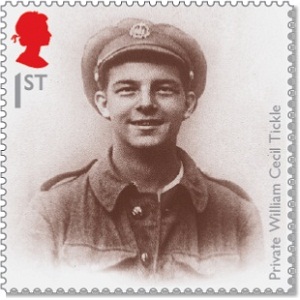
Among them is a photograph of private William Tickle, who enlisted in the Essex Regiment at the age of 15 in September 1914 and was killed during the Battle of the Somme on 3 July 1916. Private Tickle has no known grave and is commemorated on the Thiepval Memorial for the Missing.

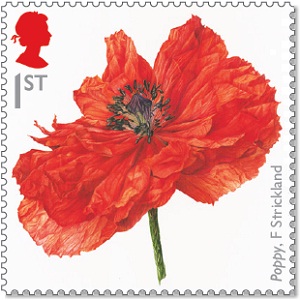
Also featured are an image of the Princess Mary Gift Box, sent to all UK servicemen for Christmas 1914, a painting of a poppy by Scottish artist Fiona Strickland, lines from the poem For the Fallen by Lawrence Binyon and A Star Shell by war artist CRW Nevinson.

For more about the commemorative stamps, click here.

Image

Posted in News | Tagged , , , , , , , , , , | Leave a comment

Woodland Trust launches Centenary Woods appeal

Image

UK conservation charity the Woodland Trust is launching a project to coincide with the Centenary of the First World War.

Through its Centenary Woods initiative it hopes to raise £12m, create thousands of acres of new native woodland and help to replenish some of what was lost during the First World War.

The Trust hopes the trees it plants will provide a living reminder of the sacrifices made during the conflict and all those who lost their lives. The First World War had a devastating impact on the UK’s native woods.

Trees played a key role in the war effort, with timber being used for huts, barges, trenches and tunnelling. By 1918, less than 5 per cent of Britain’s land was left covered by native woodland and today the UK remains one of the least wooded countries in Europe.

For more about Centenary Woods, click here.

Posted in Events | Tagged , , , , , , | Leave a comment

Exhibition focuses on Artists Rifles in the First World War

Artists Rifles badge. Photo credit Artists Rifles Association

Badge of the Artists Rifles

Artworks produced by members of the Artists Rifles – 28th (County of London) Battalion of The London Regiment – will be the focus of touring exhibition in Hampshire this April focused on the Centenary of the First World War.

The event will take place between April and December 2014 and will provide a comprehensive look at the artists, their work and the battalion itself.

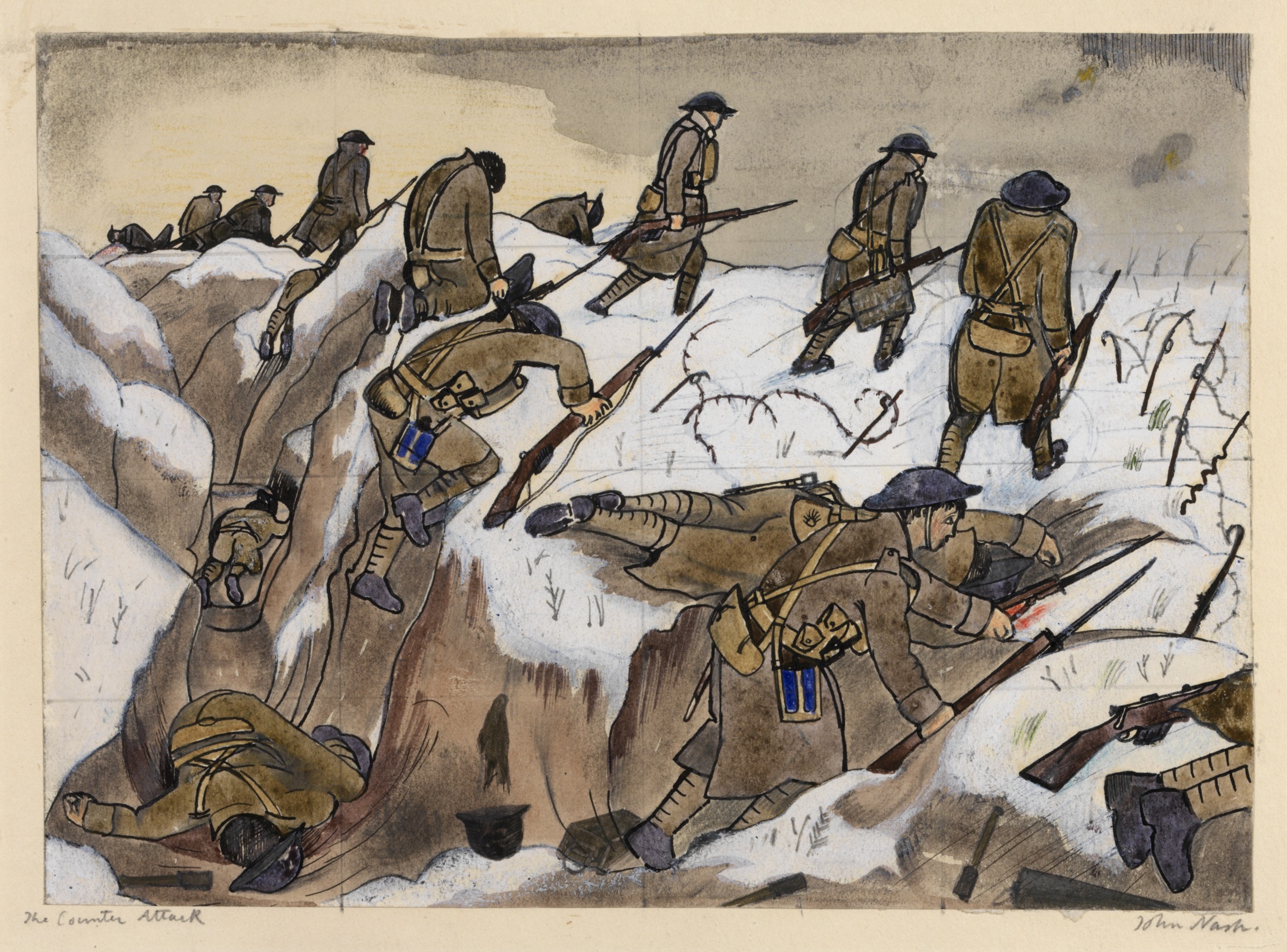
Picture 100

John Nash: study for Over The Top

Famous artists

More than 60 works of art will be on display – many of which have been loaned by the UK’s leading museums and art galleries including the Imperial War Museum, the Royal Academy, the Arts Council, and the British Council Collection. The exhibition will also feature objects loaned by the regiment, such as uniforms, medals and other memorabilia.

The Artists Rifles was created in 1859 and its founding members included Edward Burne-Jones, Lord Leighton, William Holman Hunt, John Everett Millais and Ford Maddox Brown. Work from all these artists will be included in the exhibition.

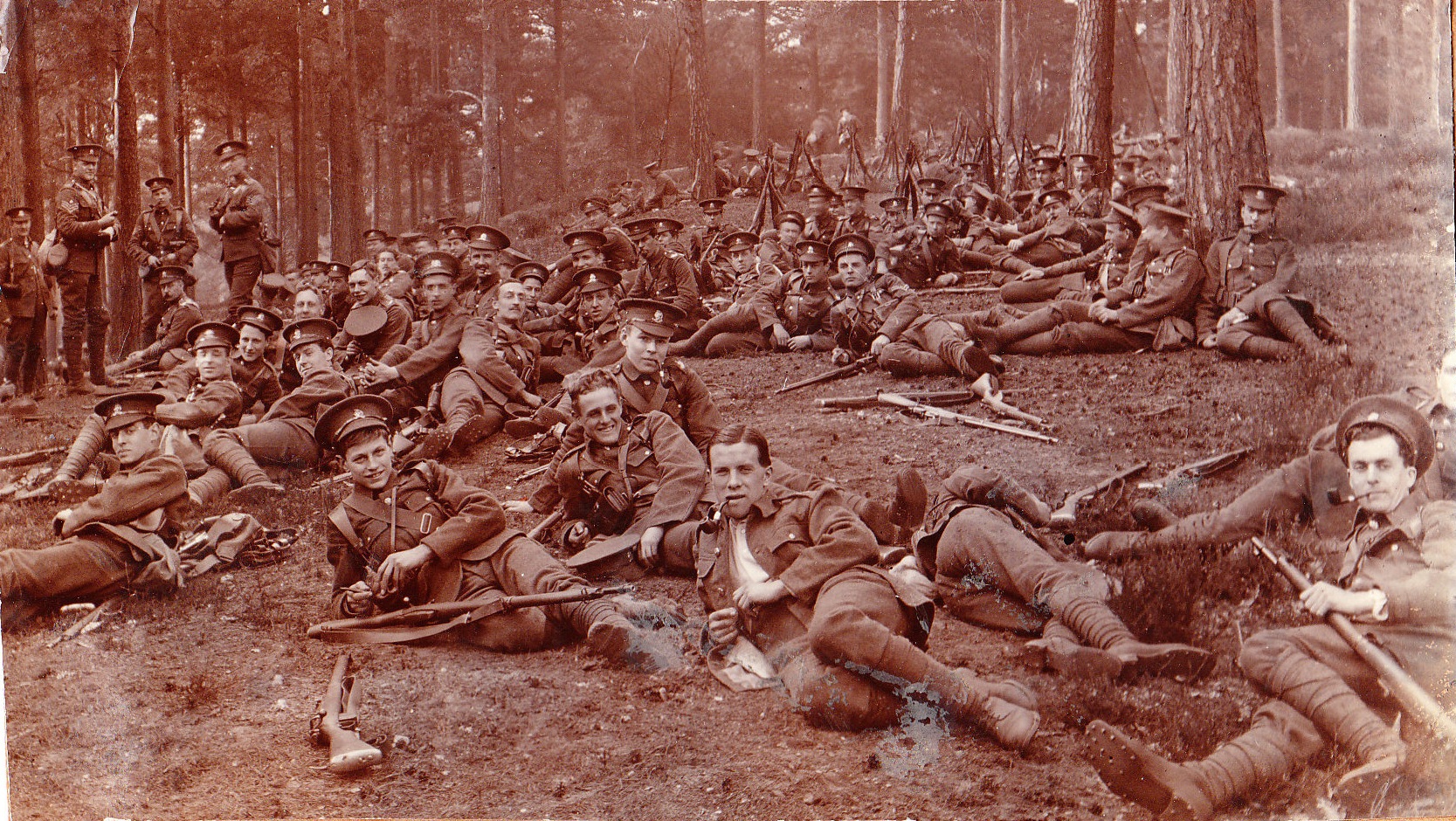
Salisbury Plain Resting 1914. Photo credit Artists Rifles Association

Members of the Artists Rifles on Salisbury Plain, 1914

Heavy losses

Some 5,000 men applied to join the Artists Rifles in the first week of the First World War and more than 14,000 recruits passed through the regiment between 1914 and 1918.

The Artists Rifles lost 2,003 killed, 3,250 wounded or gassed, 532 missing and 286 prisoners of war.

During the First World War the regiment became an officer training corps. The poets Wilfred Owen and Edward Thomas and artists Paul and John Nash were all members of the regiment.

The exhibition will focus on a wide range of soldiers’ work during, and after, the First World War. This will include paintings, sculptures, postcards and cartoons, as well as readings from poems and letters.

Dates and venues

4 April to 28 June, Southampton City Art Gallery

5 July to 27 September, Sainsbury Gallery, Willis Museum, Basingstoke

4 October to 29 December, Gosport Discovery Centre

To find out more about the exhibition click, here

Posted in Events, News | Tagged , , , , , , , , , , , | Leave a comment

War Artists at Sea at Queen’s House, Greenwich

Image

The 17th-century Queen’s House at Greenwich is marking this year’s Centenary of World War I with a wide-ranging display of the works of naval war artists from the 20th century.

War art’s uses

In the UK, official war art was used not only as a way of raising morale both on the home front and among the troops overseas, but also for wider purposes of commemoration, instruction and documentation.

The exhibition, entitled War Artists at Sea, uses this variety as a focus, with rooms dedicated to the home front, action at sea, life onboard ship and the faces of those caught up in war.

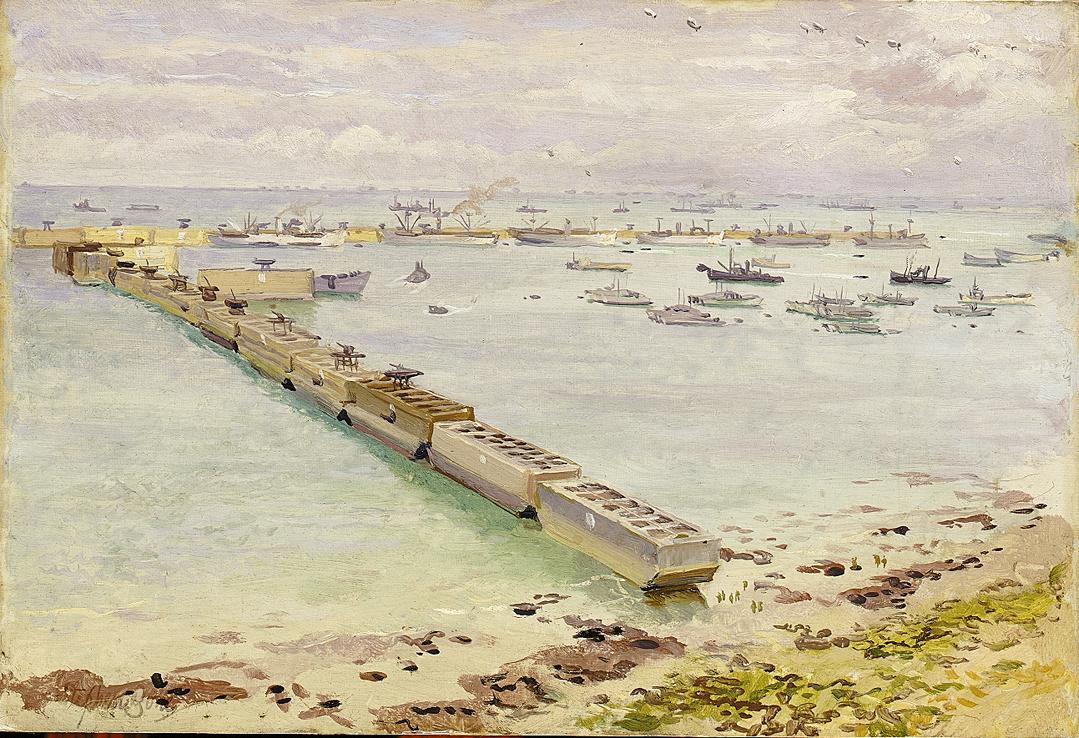
The paintings often explore unexpected viewpoints and gripping turning-points in the conflicts, taking the visitor from John Everett’s energetic depiction of a convoy of merchant ships in 1918, to Richard Eurich’s strangely tranquil portrayal of the evacuation of Allied soldiers from the beaches of Dunkirk in 1940.

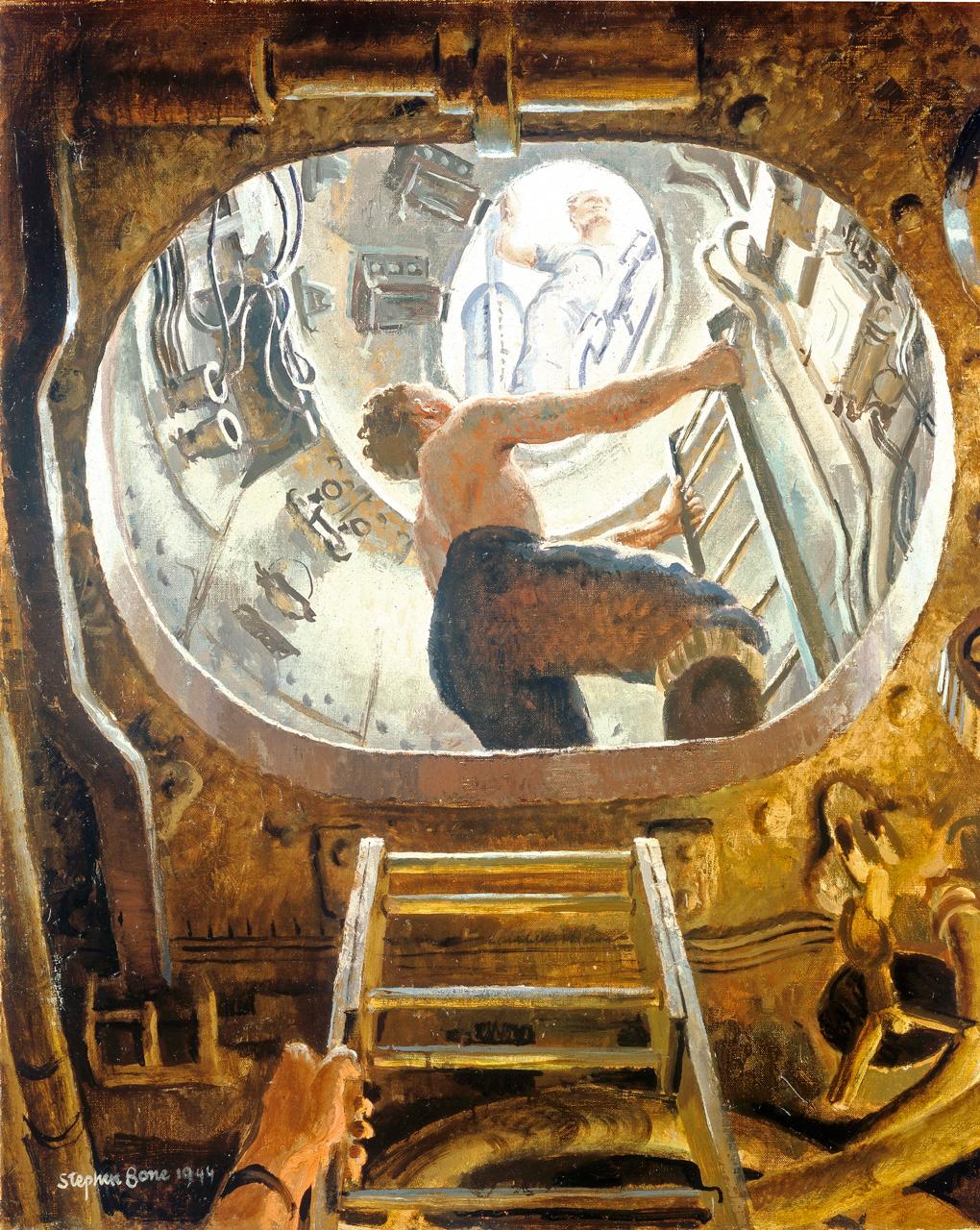
Other images reveal the day-to-day lives of those at war from intimate snapshots of life on board ship, to posthumous portraits of Victoria Cross winners.

Image

William Dring and Gladys E Reed

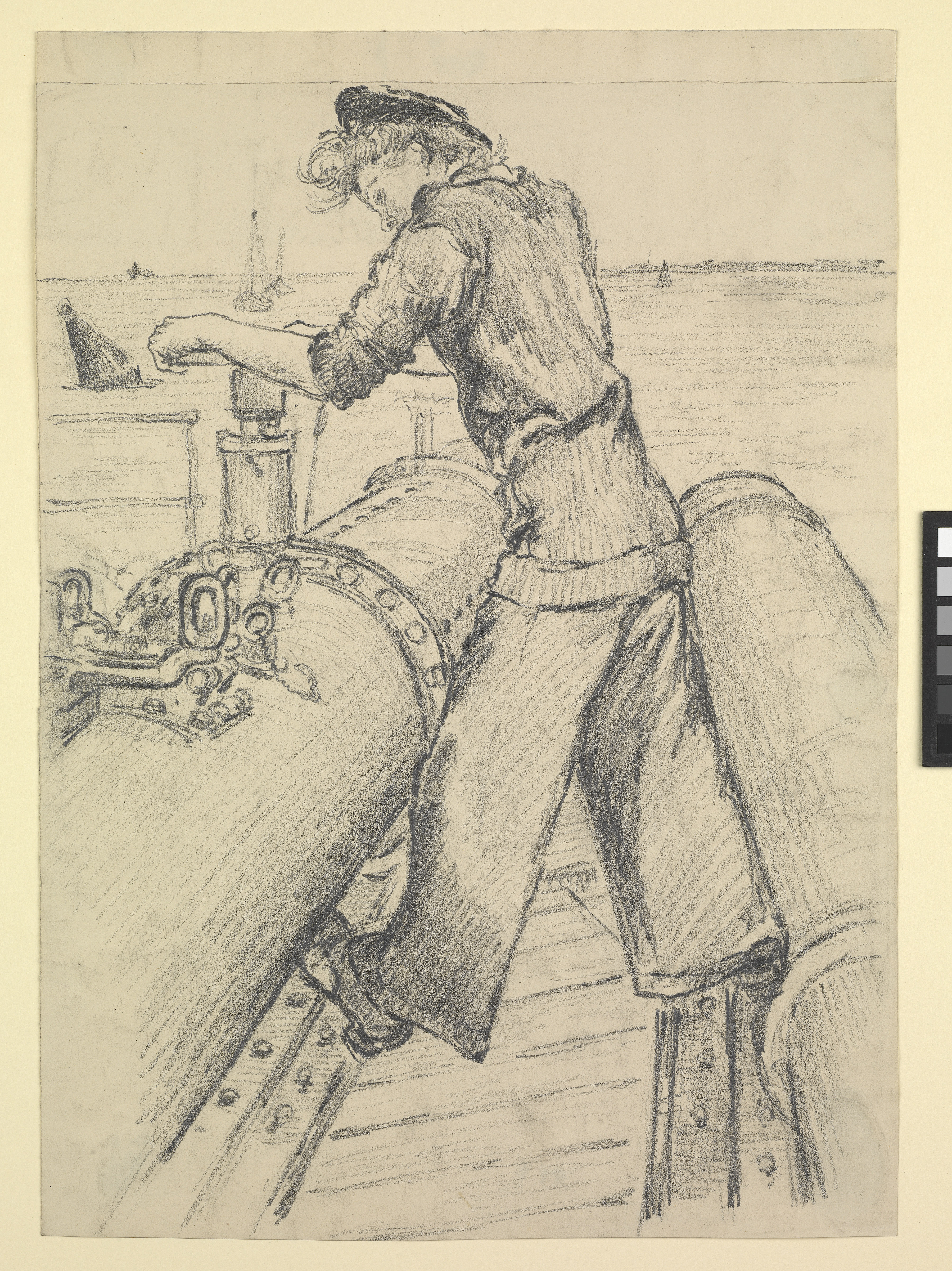
Until 15 July two rooms are dedicated to sketches, pastels and watercolours that tell personal stories of artists at war. William Dring’s portraits in pastel capture the faces of distinguished war heroes and young naval servicemen while the lesser-known Gladys E Reed documented her service as a Wren (member of the Women’s Royal Navy) and provides an intriguing insight into the role of women in World War II.

Also highlighted is John Worsley, the youngest official war artist in the Royal Navy, whose works detail his time spent in a naval officers’ prisoner-of-war camp in Germany.

Image

Killed in action

From 15 August the focus switches to the works of John Everett, an official World War I artist who was particularly interested in depicting dramatic camouflage schemes designed to confuse the eye of any pursuer, and Eric Ravilious, one of the few official war artists to be killed while on duty.

Ravilious was inspired by themes of art and industry, shown in the exhibition through a selection of sketches and prints, including a series of images depicting life in the confined conditions of a submarine.

To find out more about War Artists at Sea, click here.

Image

Posted in Events | Tagged , , , , , , , , , , , , , | Leave a comment

First World War exhibition at Royal Museum of the Army and of Military History, Brussels

Image

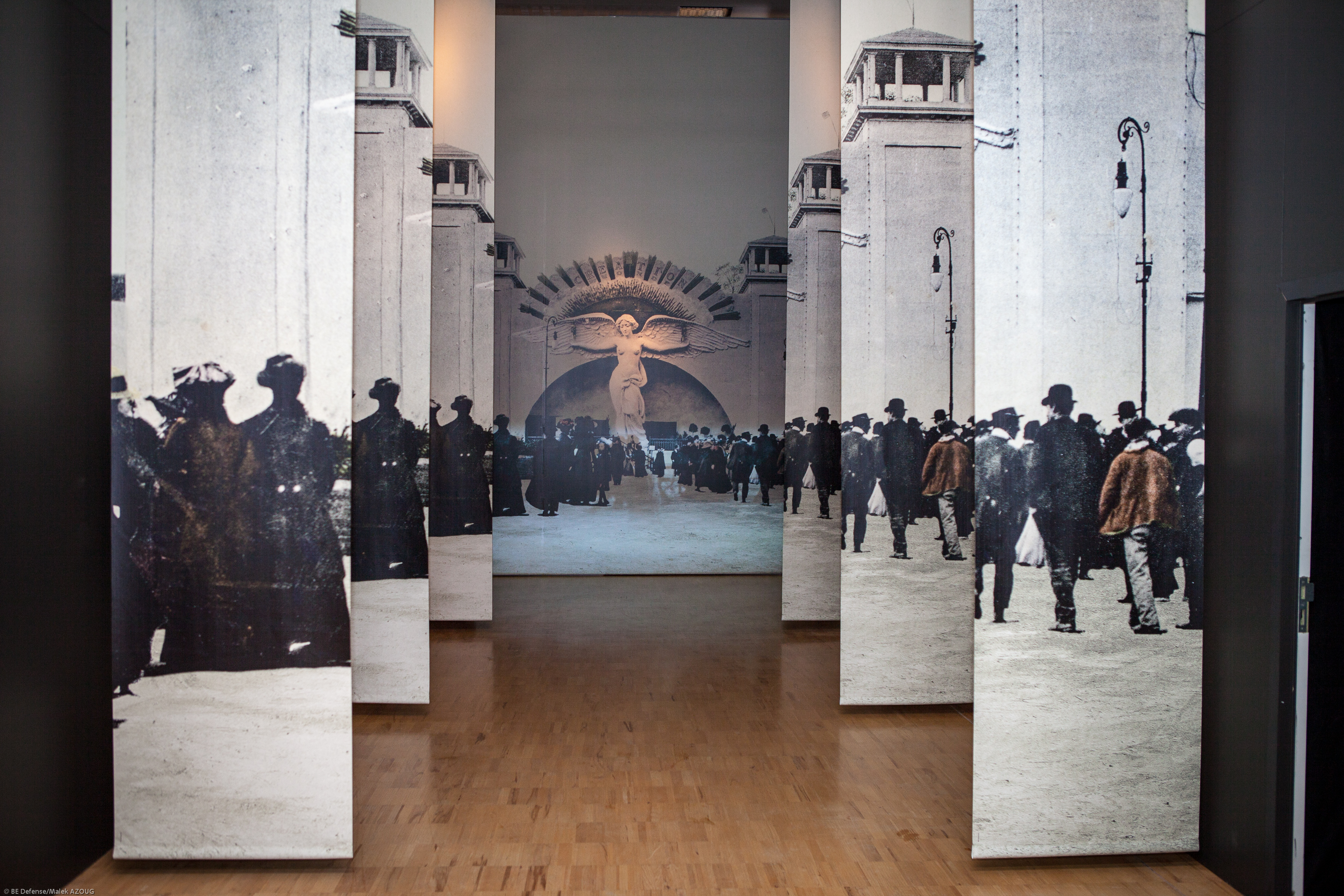
A new exhibition at the Royal Museum of the Army and of Military History entitled 14-18, It’s Our History, explores the role of Belgium in the wider context of the First World War.

The displays fit into five subject areas: Europe on the eve of war, Belgium invaded, trench warfare, the occupation by German troops and the consequences of the conflict.

Objects on show include weapons, uniforms, trench art, letters from soldiers and the furniture from the Kaiser’s HQ in Spa. Much of the story is told through the museum’s remarkable archive of photos and film.

The exhibition will be running until 26 April 2015. For more information click here.

Image


Image

Posted in Events | Tagged , , , , , , , , , | Leave a comment

First World War seminar at National Army Museum

Image

On 15 March the National Army Museum will be running a whole-day seminar entitled The Armies in 1914.

The event runs from 9.30am until 5.30pm and is free to enter.

On the agenda are a series of talks from a range of distinguished historians. The National Army Museum in association with King’s College London and the British Commission for Military History (BCMH) will examine the state of preparedness of the armies of Europe on the eve of the First World War.

Discussing the latest thinking and reviewing first-hand accounts, speakers will examine how the great powers and lesser-known states readied themselves for war.

The strategic plans, military doctrine, social composition and equipment of the armies in 1914 are some of the topics to be discussed.

Admission will be on a first-come-first-served basis on the day of the event. Tickets are not required.

Posted in Events | Tagged , , , , , , , , , | Leave a comment

German War Graves Commission launches WW1 website

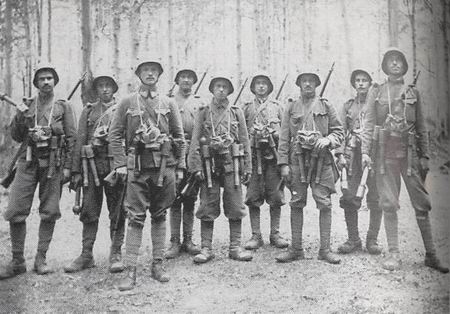
German troops France

The Volksbund Deutsche Kriegsgräberfürsorge (VDK) – the German War Graves Commission – has launched a Centenary website. It features information and projects relating to the Centenary of the First World War. The site also enables visitors to search for the names of the German war dead.

As the site points out: ‘2014 is the 100th anniversary of the start of the First World War. In this “great seminal catastrophe” of the 20th century with its murderous, costly battles, almost 10 million soldiers died a gruesome death; a further 20 million were wounded and were physically or mentally scarred for life.

‘Entire regions were devastated – broken up by shells, contaminated by poison gas. Names like Verdun, Ypres, Tannenberg or the Somme stand for a hitherto unprecedented level of mass slaughter, which makes a mockery of the propaganda of the time that told of a “hero’s death”.’

To access the VDK site, click here.

Posted in News | Tagged , , , , , , , , , , | Leave a comment

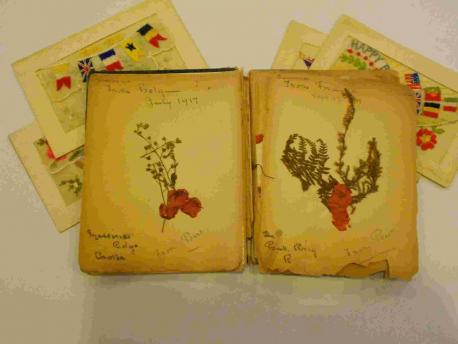
Album of flowers collected on Western Front to be auctioned

Image

A soldier’s album, filled with pressed flowers collected by during his time at the Front during the First World War, is to be auctioned in Dorchester, Dorset.

The unique record was almost lost forever when it was thrown into a skip during a house clearance. Thankfully it was retrieved before it could come to any harm.

First World War flowers

Amy Brenan, of Duke’s Auctioneers in Dorchester, said: ‘The album is a marvellous record of one soldier’s travels in Europe during the First World War.

‘Each flower has been pressed between the pages of his autograph book and annotated with the place and date where it was picked.’

‘What is particularly nice is that the album of pressed plants and flowers was clearly put together as a gift.

‘Most of the pages are labelled as “From Bert” so perhaps he was compiling the album for his sweetheart back home. ‘Despite the distance, he was clearly relying on thoughts of his loved ones to keep him going.

In 2013, Duke’s Auctioneers sold the Roughton Poppy, the world’s oldest poppy, picked in a frontline trench in Arras, northern France in 1916 by Private Cecil Roughton.

The auction will be held at Duke’s Grove Auctions on Tuesday, 11 March at 10.30am. For more details call the saleroom on 01305 257 544.

Posted in News, World War I memoirs | Tagged , , , , , , , , , | Leave a comment

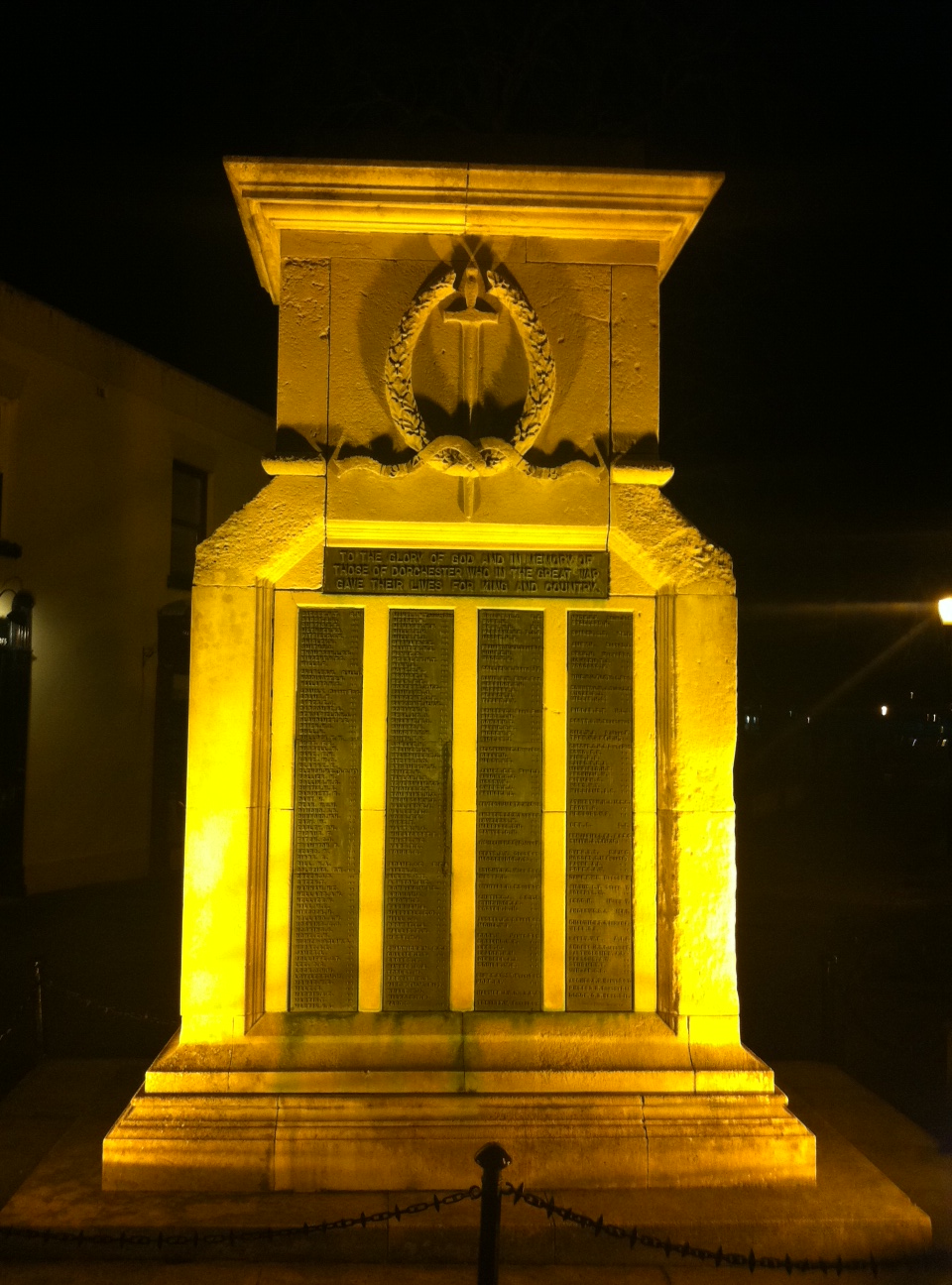
Dorchester War Memorial, Dorset

Image

This is the war memorial at Dorchester, in Dorset, UK.

In was unveiled by Lord Ellenborough on 24 May 1921 and commemorates almost 300 men who lost their lives in the First World War. Many served with the Dorsetshire Regiment, but as is the case with most UK war memorials the list of units is wide-ranging.

Posted in Events | Tagged , , , , | 2 Comments