Sussex memorial for Battle of Mons VC winner

The railway bridge at Nimy, looking out from where Godley was positioned

The railway bridge at Nimy, looking out from where Godley was positioned

A memorial stone is to be unveiled to commemorate one of the first Victoria Cross winners of the First World War.

Private Sidney Godley VC, of the Royal Fusiliers, won the medal for his defence of the Nimy railway bridge during the Battle of Mons on 23 August 1914.

Under fire

Godley climbed up an embankment under heavy fire and took over a machine gun that had been set up to shoot across the bridge. He was eventually wounded and captured after running out of ammunition.

Lieutenant Maurice Dease won the VC for the same action and was killed within a few feet of Godley. He is buried at St Symphorien Military Cemetery near Mons.

The cemetery is one of the sites on the Commonwealth War Graves Commission’s Retreat from Mons Remembrance Trail, which follows the course of the battle during the last days of August 1914.

Private Godley’s memorial stone will be laid on the top step of the war memorial in his native town of East Grinstead, Sussex.

The memorial plaque on the railway bridge at Nimy on the outskirts of Mons
The memorial plaque on the railway bridge at Nimy on the outskirts of Mons

Posted in Events, News, Soldiers of the Great War | Leave a comment

Worcestershire Cricket Club rededicates WW1 memorial

_76797315_plaque78

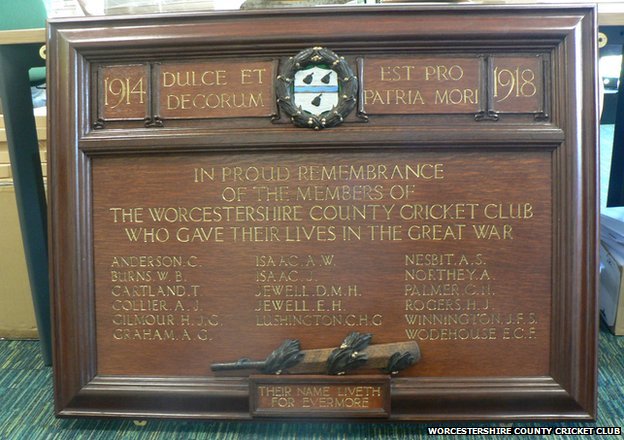
A memorial to the Worcestershire County Cricket Club players who were killed in the First World War has been rededicated to mark the Centenary of 1914.

Some 17 club members, including 10 first XI players, lost their lives in the conflict.

The memorial had hung above the bar in the old, 19th-century pavilion but had become blackened and almost impossible to read before its restoration.

A second memorial, including names from the original plaque and others from the Second World War, has also been unveiled.

Names on the memorial

Among the Worcestershire players who lost their lives was 31-year-old Cecil Lushington. A former pupil of Haileybury College in Hertfordshire, he was killed at the Battle of the Somme on 3 July 1916 while a lieutenant with the 10th Battalion, Worcestershire Regiment.

John Winnington DSO played one game for Worcestershire, in 1908, scoring 0 and 20 in his two innings against Oxford University. He died of wounds on 22 September 1918 while a lieutenant colonel commanding 1/4th Battalion of the Northamptonshire Regiment in Palestine.

Neuve Chapelle

Lieutenant colonel Ernest Wodehouse DSO was a Boer War veteran who was killed while leading the 1st Battalion Worcestershire Regiment at the battle of Neuve Chapelle in 1915.

Wodehouse had led his men forward to storm buildings that lay opposite the British front line, but their position became untenable when no support arrived and they were surrounded on three sides.

The Worcesters were forced to pull back and suffered heavy losses in the ensuing retreat across open ground – among them their lieutenant colonel.

Posted in Events, News, Soldiers of the Great War | Leave a comment

Staffordshire conscription tribunal notes revealed

Youthful conscripts at the Etaples base in France, July 1918

Youthful conscripts at the Etaples base in France, July 1918

Records from Staffordshire’s conscription appeals tribunals are to be documented as part of the commemorations of the Centenary of the First World War.

The authorities intended that the records would be destroyed following the Armistice, but documents relating to around 20,000 still exist at the records office in Stafford.

Professor Karen Hunt, from Keele University, said call-up appeals were often placed by the employer of a man selected for military service.

The Stafford papers reveal the pressures the community was under, she added, with many men already in the forces and many others killed in action.

Conscription enforced

Conscription was introduced in Britain in January 1916 as casualty rates rose and the number of volunteers dwindled, especially following the slaughter of the Pals battalions at the Battle of the Somme.

Under the Military Service Act men aged between 18 and 45 were obliged to register to join the armed forces. In May, the act was widened to include married men and, two years later, the upper age limit was raised to 51.

In 1918 the upper age limit for conscription was raised to 51

In 1918 the upper age limit for conscription was raised to 51

Posted in Events | Leave a comment

Welsh WW1 monument unveiled at Langemark

standard

A memorial to commemorate Welsh soldiers who were killed in the First World War will be unveiled at Langemark, Belgium, on 16 August.

It will comprise a Welsh dragon atop a slate cromlech and is near the spot where Welsh poet Hedd Wyn was mortally wounded at the Battle of Passchendaele.

Veterans remembered

First minister of Wales Carwyn Jones said: ‘There are many people, myself included, who remember the First World War veterans.

‘When I was a young child in the 1970s, there were still lots of them around. Some of them physically scarred, some of them, of course, mentally scarred. Many of them couldn’t talk about their experiences. And I remember them.

‘But it’s right to say that those people have gone. But that’s why it’s even more important, in some ways, to try to understand what happened and commemorate – not celebrate – what happened.’

standard-1


Posted in Events, News | Leave a comment

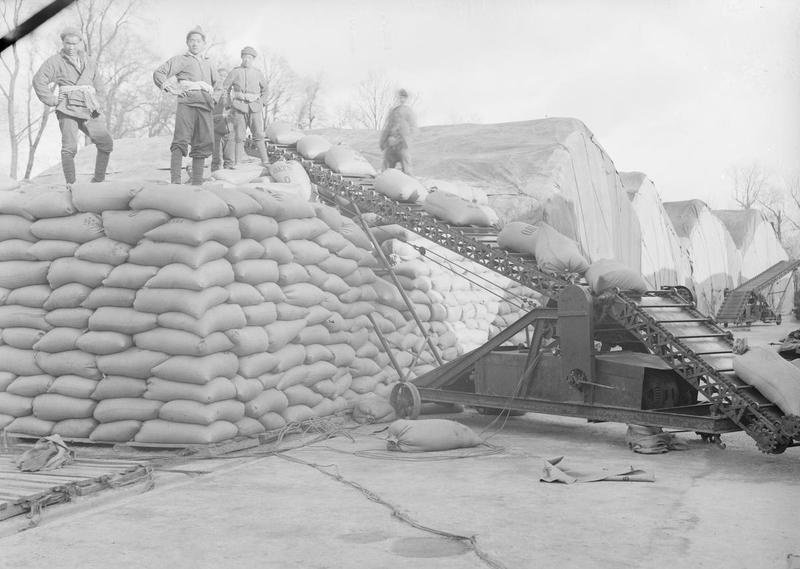
Campaigners call for WW1 Chinese Labour Corps memorial

large-1

Members of Britain’s Chinese community have launched a campaign to commemorate members of the Chinese Labour Corps who served in the First World War.

Dangerous work

More than 100,000 men volunteered for the corps, with the first arriving on the Western Front in 1917 and some remaining with their units until 1920 – engaged in clearing unused ordinance and exhuming the bodies of the fallen.

Their work could often be exhausting and dangerous and involved moving ammunition, long hours and occasional bombardment.

Five Chinese Labour Corps soldiers were awarded the Meritorious Service Medal for bravery and, after the war, the British government sent a War Medal to every member of the corps. This was like the British War Medal issued to every member of the British armed forces, except that it was made of bronze, not silver.

Noyelles cemetery

The largest First World War Chinese cemetery on the Western Front is at Noyelles-Sur-Mer, near St Valéry at the mouth of the River Somme.

Guarded by Chinese dragons it has been planted with trees, shrubs and flowers native to China. Inscriptions on the 842 headstones are limited to four proverbs: ‘Faithful unto death’, ‘A good reputation endures forever’, ‘A noble duty bravely done’ and ‘Though dead he still liveth’.

While around 5,000 members of the Corps are believed to have remained in France after the war, few, if any, settled in the UK.

The campaign to create a permanent memorial in central London, to be unveiled in 2017 sited either in Southwark or Westminster, is backed by the Chinese embassy and the Chinese in Britain Forum.

CLC


Posted in Events | Leave a comment

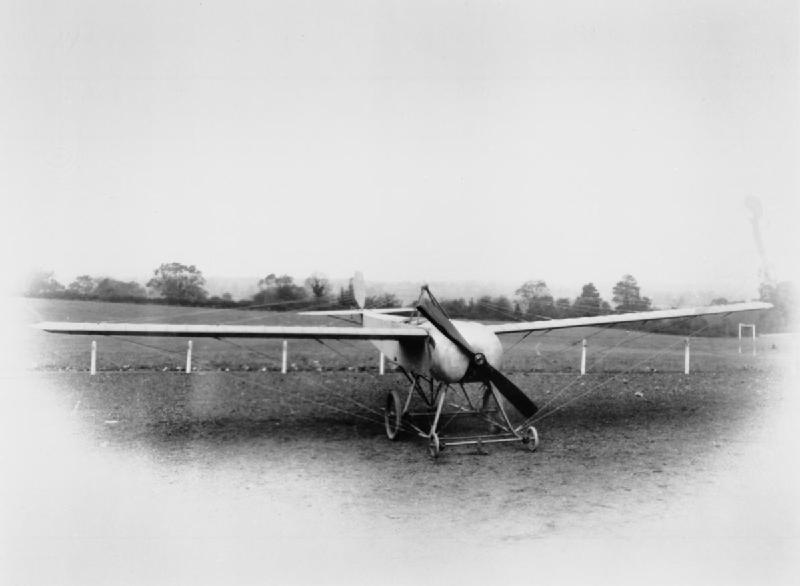
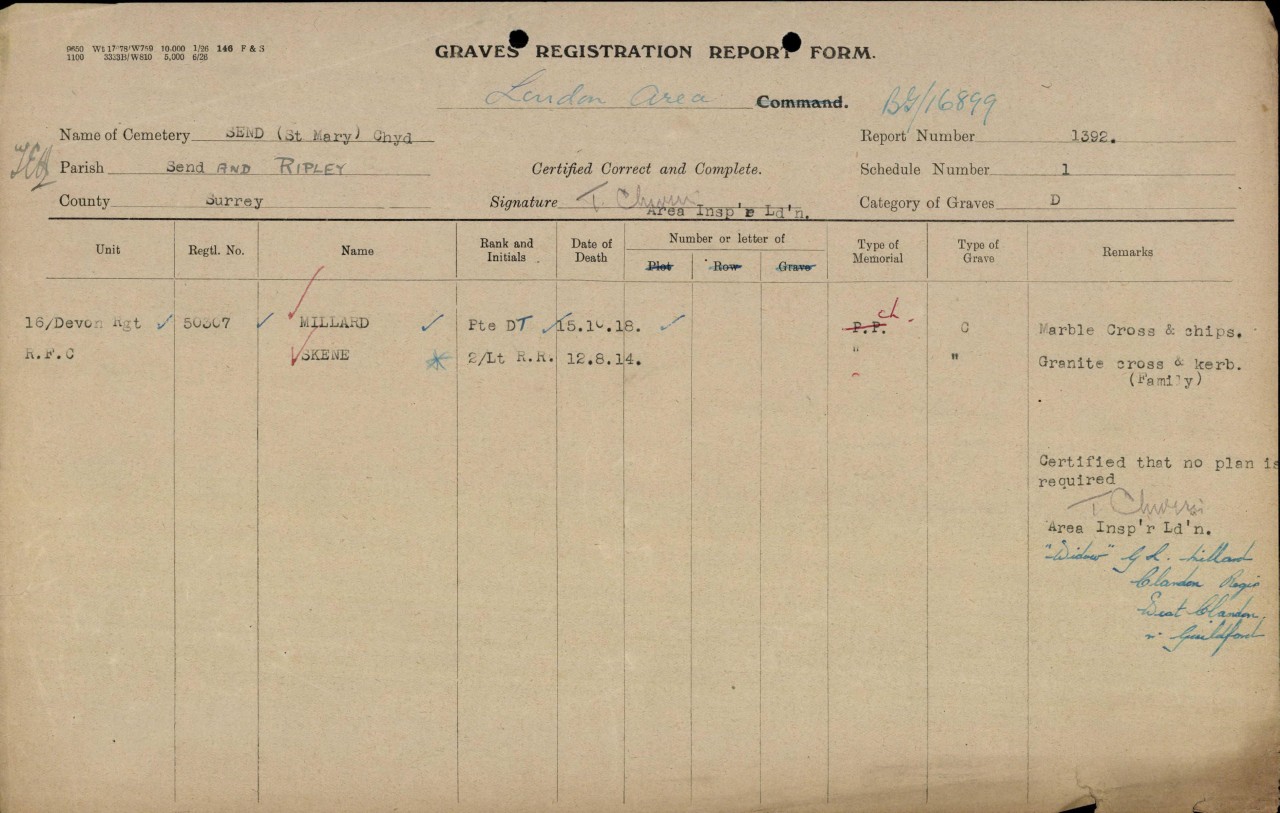
The first Flying Corps casualties of the First World War

Bristol Mono

In August 1914 the Royal Flying Corps (RFC) began its deployment to France. On the 12th, the Corps lost its first casualties, when one of its aircraft came down soon after take off.

Second-lieutenant Robin Skene and air mechanic Raymond Barlow, both of No3 Squadron, took off from the airfield at Netheravon in a Bristol monoplane at around 5.15pm. Shortly afterwards the plane was seen to bank sharply to the left, lose speed and dive vertically towards the ground.

Aircraft stalled

Both crewmen were killed. The official reports states that the aircraft had ‘Evidently fallen almost vertically, but not from a great height. The controls were all intact. The machine was heavily loaded for active service, but was able to fly.’

First air mechanic Arthur Frederick Deverill of the RFC saw the crash. He told the enquiry: ‘The aircraft lost speed while banking. This was the first time the machine had been so heavily loaded, but if precaution had been exercised flight would have been safe.

‘Several machines left that day with the same load. The monoplane was at the height of about 150ft or 200ft when it dived vertically to the ground. The engine was running at full speed until the fatal turn.’

Experienced pilot

Second-lieutenant Skene was born in London on 6 August 1891. He trained at the Bristol School at Brooklands before qualifying for Royal Aero Club Certificate No 568, issued on 21 July 1913. He was the first British pilot to loop an aeroplane and worked as an instructor at the Bristol School.

On 15 November 1913 he was gazetted as a second lieutenant in the RFC Special Reserve and was ordered to join No.3 Squadron when the Army mobilised.

doc5446930


Posted in News, Soldiers of the Great War | Tagged , , , , , , , , , , , , , | 1 Comment

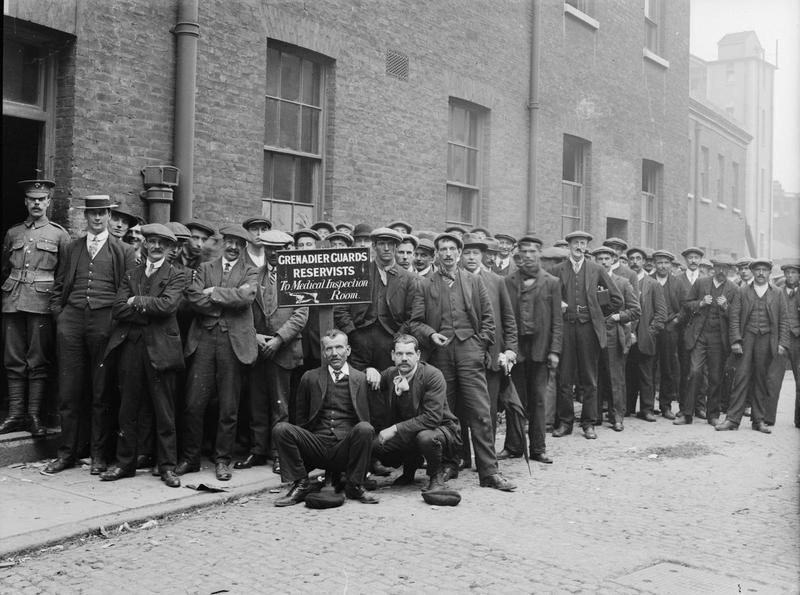
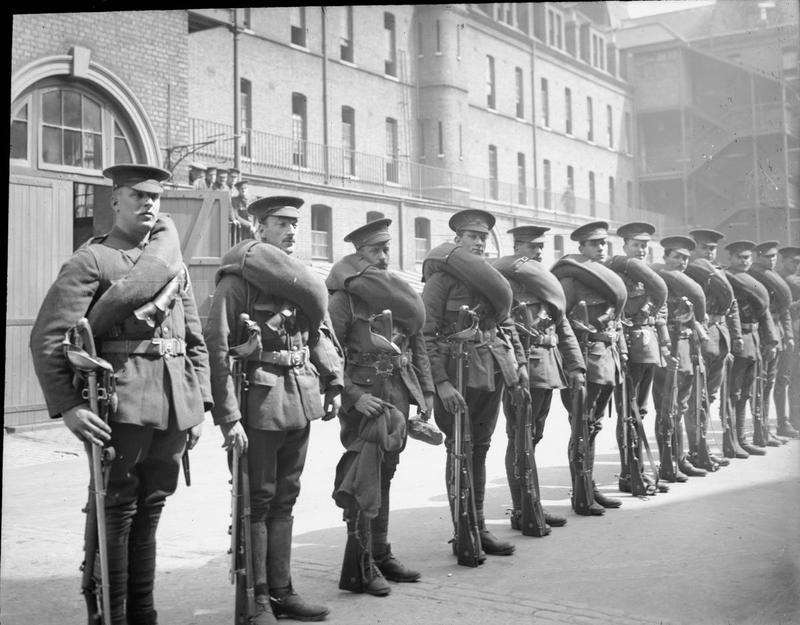
Reservists re-join the British army in August 1914

Reservists 1914

Reservists queue to rejoin the British Army on 5 August 1914. The men are former members of the Grenadier Guards who have been recalled following the outbreak of war and are awaiting a medical examination at Wellington Barracks, Chelsea.

While some look confident and cheerful, there is clear anxiety on the faces of others – such as the four men to the left of the sign and the two seated beneath it. The tall man in the boater hat, next to the soldier in uniform, on the other hand looks tremendously relaxed.

There also seems to be a wide range of ages. Even taking into account that some of this men would have had tough lives and hard jobs, some look as though they are well into their thirties.

Posted in News, Soldiers of the Great War | Leave a comment

Step Short arch unveiled in Folkestone

large

The 100th anniversary of the day Britain entered the First World War has been marked by the unveiling of a memorial arch in Folkestone, Kent.

The arch was commissioned for the Centenary by the Step Short charity in memory of the millions of British soldiers who marched through Folkestone en route to the troop ships that were waiting to take them to the battlefronts of the First World War.

As they descended the hill that led down the docks they were given the order to ‘step short’ to prevent them bumping into each other.

A bugler will play The Last Post at the Step Short commemorative arch in Folkestone every Sunday night until remembrance Sunday in November.

Posted in News | Leave a comment

The Briton killed within hours of outbreak of WW1

5169314-large

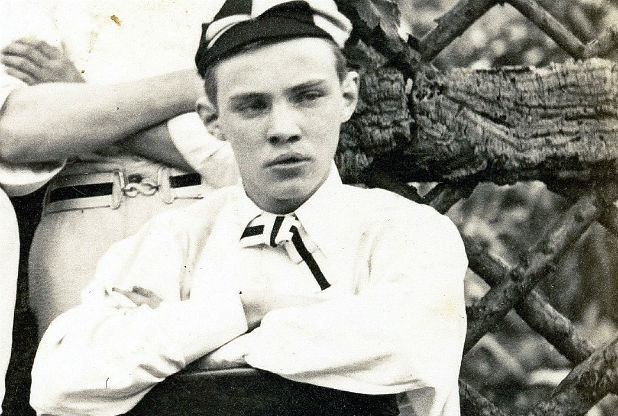
Henry Hadley at Cheltenham College around 1880

Historian Richard van Emden suggests Henry Hadley should be recognized as the first British casualty of the First World War.

Hadley, a former army officer with the West India Regiment who had been educated at Cheltenham College, was working as a teacher in Berlin, was probably driven to leave the city by the German declaration of war on Russia on 1 August.

Argument on a train

He was travelling by rail from Berlin to Paris with his housekeeper when he was shot on 3 August at Gelsenkirchen. There was an argument on the train and Hadley’s housekeeper, Elizabeth Pratley found him lying on the floor in the train corridor.

‘They have shot me, Mrs Pratley, I am a done man,’ he said.

A German officer, later identified as lieutenant Nicolay, had fired at Hadley from close range, supposedly after the latter had been acting suspiciously.

Hadley died at the Evangelical Hospital in Gelsenkirchen at 3.15am local time on 5 August 1914, just three hours after the UK declared war on Germany.

Casualties on 4 August 1914

The CWGC database records four men who died on 4 August. As the war started at 11pm (UK time-midnight in Berlin), it is likely that these deaths took place during the course of the 4th rather than in the one hour between war being declared and midnight.

The four are private G Davies of the Royal Marines, boy servant Ernest Brackley (aged 16) of the Royal Navy, private Joseph Viles of the Somerset Light Infantry, and, in India, staff serjeant SE West of the Dragoon Guards.


Posted in News, Soldiers of the Great War | Leave a comment

Truth and Memory at London’s Imperial War Museum

 ???????????????????????????????????

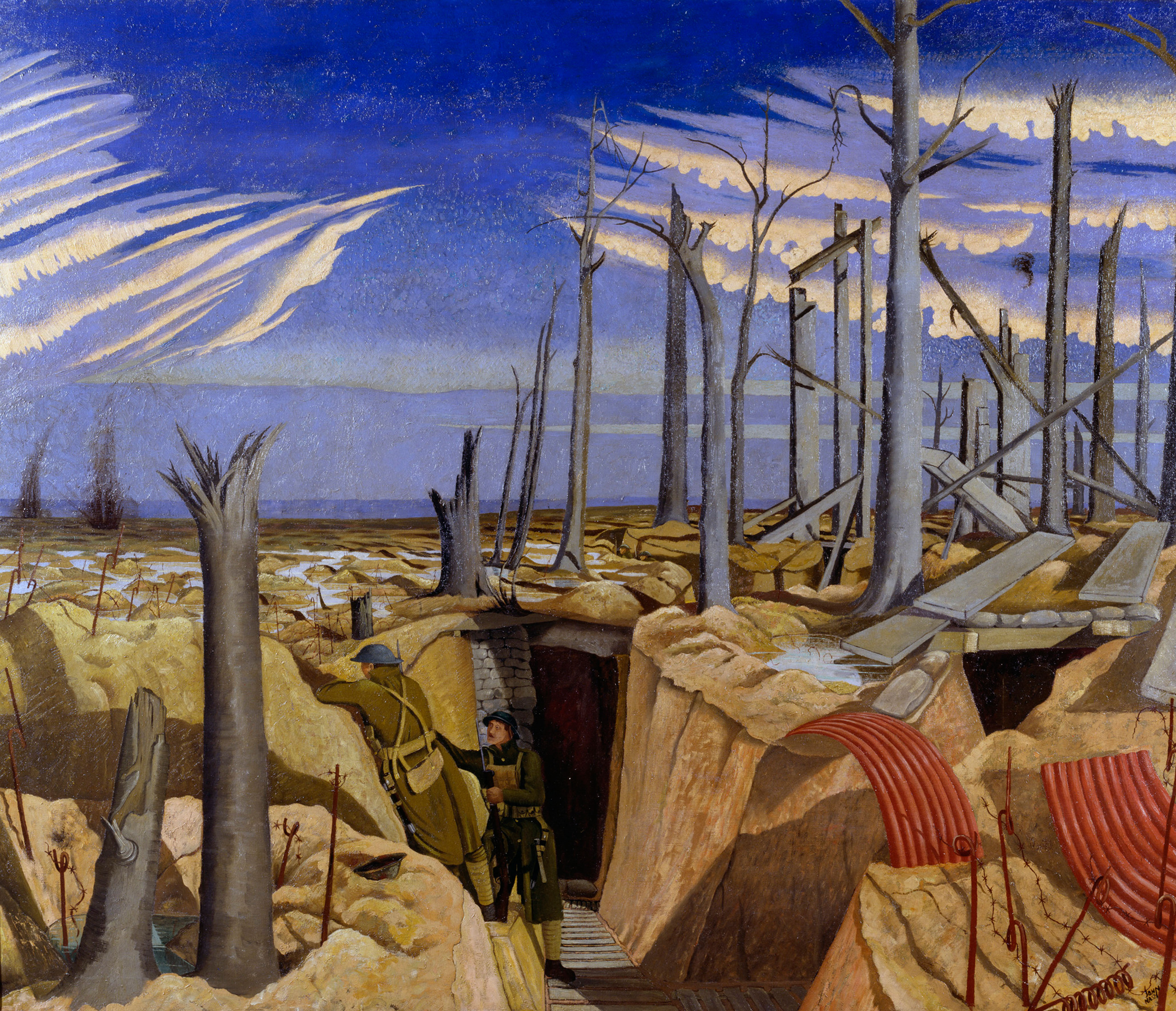
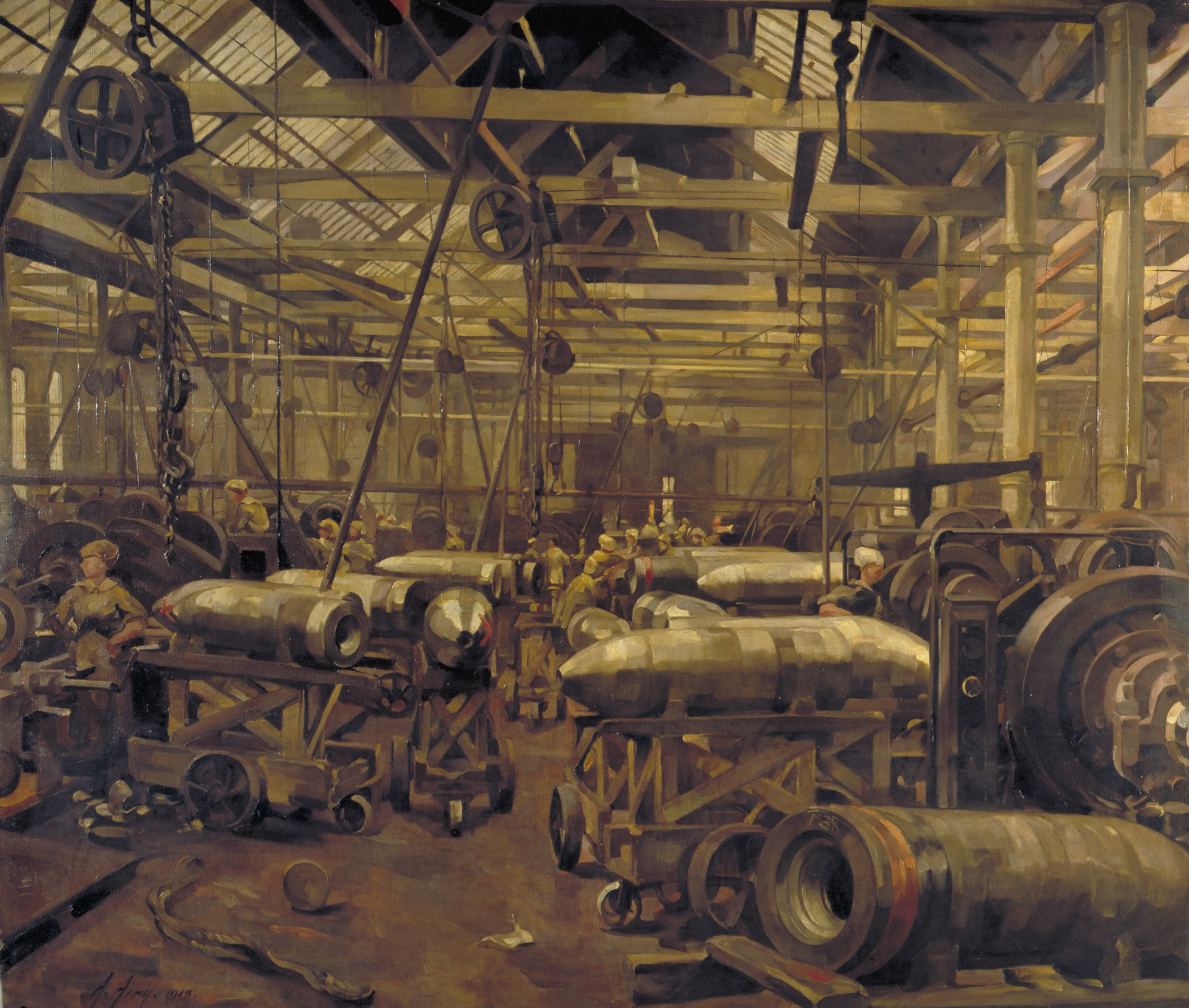
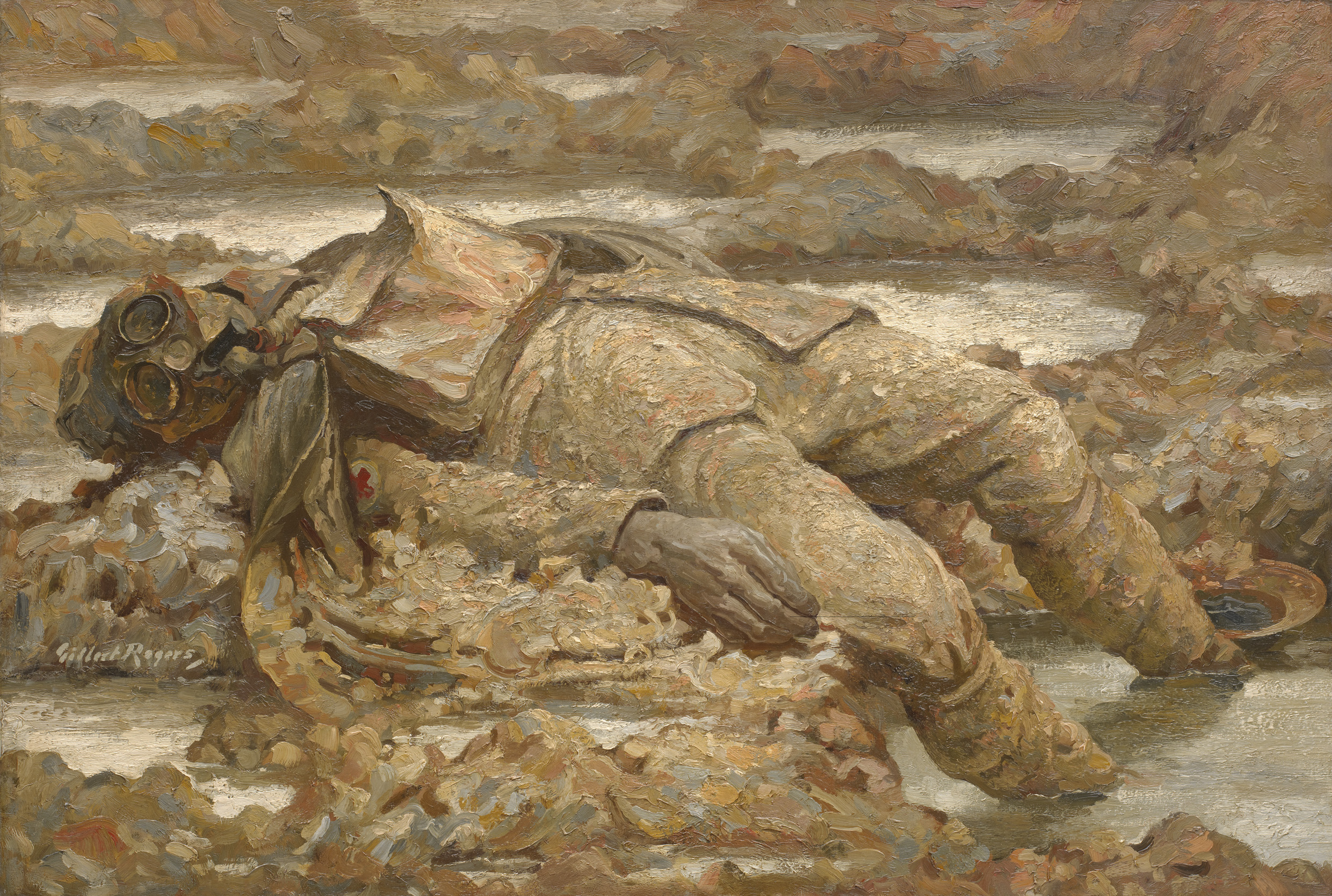
London’s Imperial War Museum is marking the Centenary of the outbreak of World War I with a wide-ranging and often deeply moving display of the work of British war artists of the period.

Entitled Truth and Memory, it takes a chronological view of the war, charting how artists’ perceptions and approaches changed as the conflict war on and the realties of mechanized warfare sank in.

 ????????????????????????????????????????????????????????????????????????????????????????????????????

It is the largest exhibition of Britsh World War I art to be staged in almost 100 years and features work both by well-known artists such as Stanley Spencer and CRW Nevinson and lesser known individuals including Anna Airy and George Clausen.

There is a world of difference between works such as Nevinson’s La Mitrailleuse (1915) which highlights the futuristic, technical aspect of modern war, and the artist’s ironically titled Paths of Glory, painted two years later, which depicts the human cost of war in the shape of two dead British soldiers by a barbed-wire entanglement.

The Imperial War Museum is also marking the Centenary by opening a new, permanent gallery devoted to World War I. The displays have cost more than £40m and include such items as original recruitment posters, a reconstructed section of trench and a British tank.

iwm.org.uk

Gilbert Rogers, Gassed. ‘In Arduis Fidelis’, 1919

Posted in Events, News | Leave a comment